Beat The Heat, Train The Cold: Why Arizona Athletes Are Turning To Cold Plunges
Arizona rewards people who love to move. Sunrise miles on the canal paths, Camelback ascents before work, long rides out past Fountain Hills—then the thermometer climbs, and the rest of the day asks you to keep performing.
Daniel Clark
Nov 10, 2025
Beat the Heat, Train the Cold: Why Arizona Athletes Are Turning to Cold Plunges
Arizona rewards people who love to move. Sunrise miles on the canal paths, Camelback ascents before work, long rides out past Fountain Hills—then the thermometer climbs, and the rest of the day asks you to keep performing. That’s why more runners, cyclists, and gym-goers across Phoenix, Tucson, and the East Valley are bringing cold plungeshome. Used on purpose, a cold plunge delivers a quick state change that fits desert life: you step in, your focus locks in, you step out ready for the day.
This isn’t about stunts. It’s about a short, controllable input with benefits you can feel when the heat is relentless and the calendar is full.
Why Cold Works In A Hot State
Heat stresses the system twice—during the workout and during the recovery window that follows. Even with smart hydration and shade, training in Arizona can leave you tight, overstimulated, and a little flat for the next session. A cold plunge provides a reset you can repeat: set the temperature, set the time, breathe, done. Many athletes use that brief immersion to sharpen alertness before work, to mark the transition from training back to the day, or to bounce back after a sunset session when the pavement is still radiating warmth.
If your unit also heats, the same hardware becomes a warm soak on chilly winter mornings in Flagstaff or desert nights when you want to downshift before sleep. Cold for clarity, warm for calm—one simple tool that survives the seasons.
What it feels like when it’s working
The best case for a home plunge is practical, not dramatic. Athletes commonly describe steadier mornings after an early dip, cleaner transitions from gym to meetings, and more weeks where the plan holds—no last-minute reshuffles because yesterday’s session lingered. The “benefit stack” is modest but real: an immediate lift in alertness, a calmer mood after stress, and a sense of readiness that protects tomorrow’s training.
You don’t need extremes to get there. Start at a temperature you can handle with slow, steady breathing and short durations. Add time or reduce temperature only as you learn your response.
Making It Work In Arizona Homes
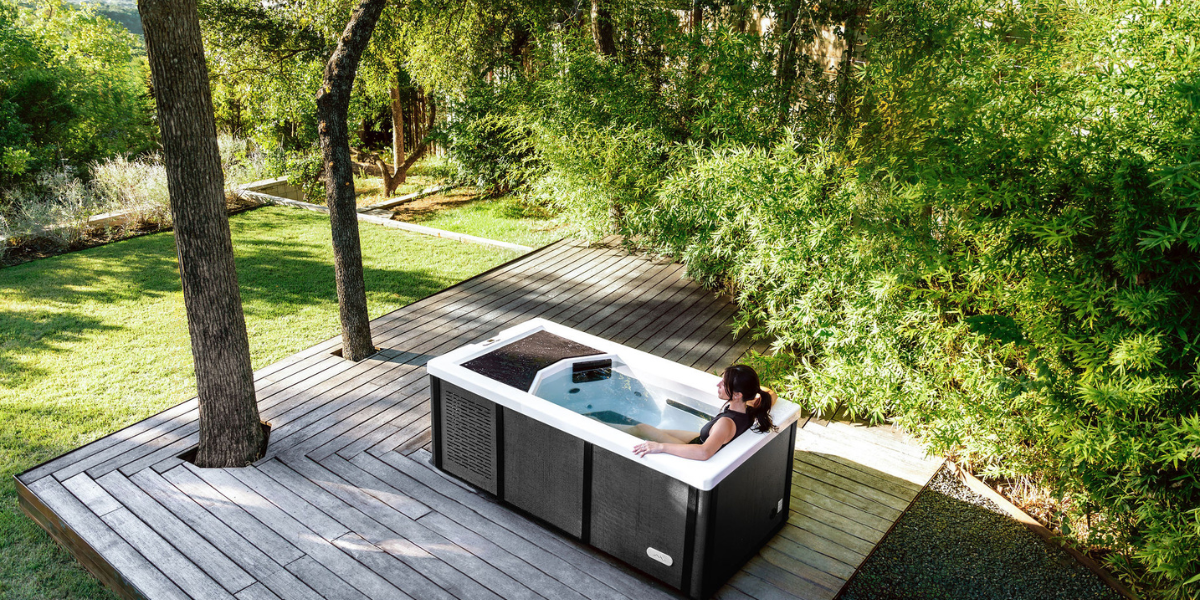
The plunge that gets used is the one that’s close, shaded, and easy.
Placement and shade. Direct sun can make any surface punishing by late morning. Tuck the unit under a patio overhang, pergola, or shade sail. Morning light works; midday exposure doesn’t.
Wind and dust. Desert breezes carry grit. Choose a spot with a natural wind break—block wall, planters, or a louvered screen—and use a fitted cover between sessions to keep the water pristine.
Surface and splash. Textured porcelain, sealed concrete, or composite decking handles water and heat well. A protective mat defines the zone and improves footing when you’re wet.
Power and routing. Keep cable runs short and tidy along architectural lines. You want the setup to read like part of the house, not a temporary project.
Lighting. Low, indirect light makes dawn and dusk sessions feel calm rather than clinical. Avoid harsh overheads that bounce off water and walls.
How To Use It Without Turning It Into A Second Job
Think in routines, not “hacks.” Tie the plunge to anchors that already exist in your day: finish the canal loop, towel off, step in; close the laptop at sunset, step out to the patio, reset; come back from South Mountain, rehydrate, and take a brief dip before dinner. Keep a bench and towel hook within reach, and set a default temperature so you’re not making decisions when you’re already tired. Three slow breaths before you step in—with a longer exhale than inhale—will make every session feel more controlled.
Safety And Common Sense In The Desert
If you have cardiovascular concerns, are pregnant, or have cold-sensitivity conditions, talk with a clinician before you start. Don’t plunge alone, especially in very cold water. Treat the path as a wet room: non-slip footing, clear sightlines, simple etiquette for family and guests. In peak summer, avoid stepping directly from blistering sun into very cold water—give yourself a few minutes in the shade first so the transition is gradual.
What To Look For In A Home Unit
Hardware doesn’t replace habit, but smart design removes friction. A plug-and-play plunge that holds temperature and runs quietly turns recovery into something you actually keep. Self-contained units with clean lines sit comfortably on patios and terraces without shouting “gym gear.” If you want year-round flexibility, consider a model that cools and heats for contrast therapy.
The Resolute Profrom Icebound Essentials is one example built for home life: a refined, plug-and-play unit designed to maintain cold and warm settings for simple contrast therapy without a remodel. More importantly, it behaves like a considered object—compact and quiet—so it elevates the space instead of fighting it.
The Arizona Payoff
Desert training builds resilience. So does recovery you can repeat. A home cold plungedoesn’t shout; it quietly realigns a day that’s already full. On 108°F afternoons, it’s the five-minute reset that lets you do school pickup with a clear head. On winter mornings, it’s a warm downshift that sets the tone for the day. Over a month, the small signals add up: steadier weeks, fewer skipped sessions, and outdoor spaces that finally earn their keep Monday through Friday—not just on weekends.
Beat the heat by training the cold—and let your home do some of the work.